Blog
Owners
How to Handle Tenant Maintenance Requests in Ontario
Learn how Ontario landlords should handle tenant maintenance requests, repairs, notices, documentation, and legal responsibilities with Stewart PM.
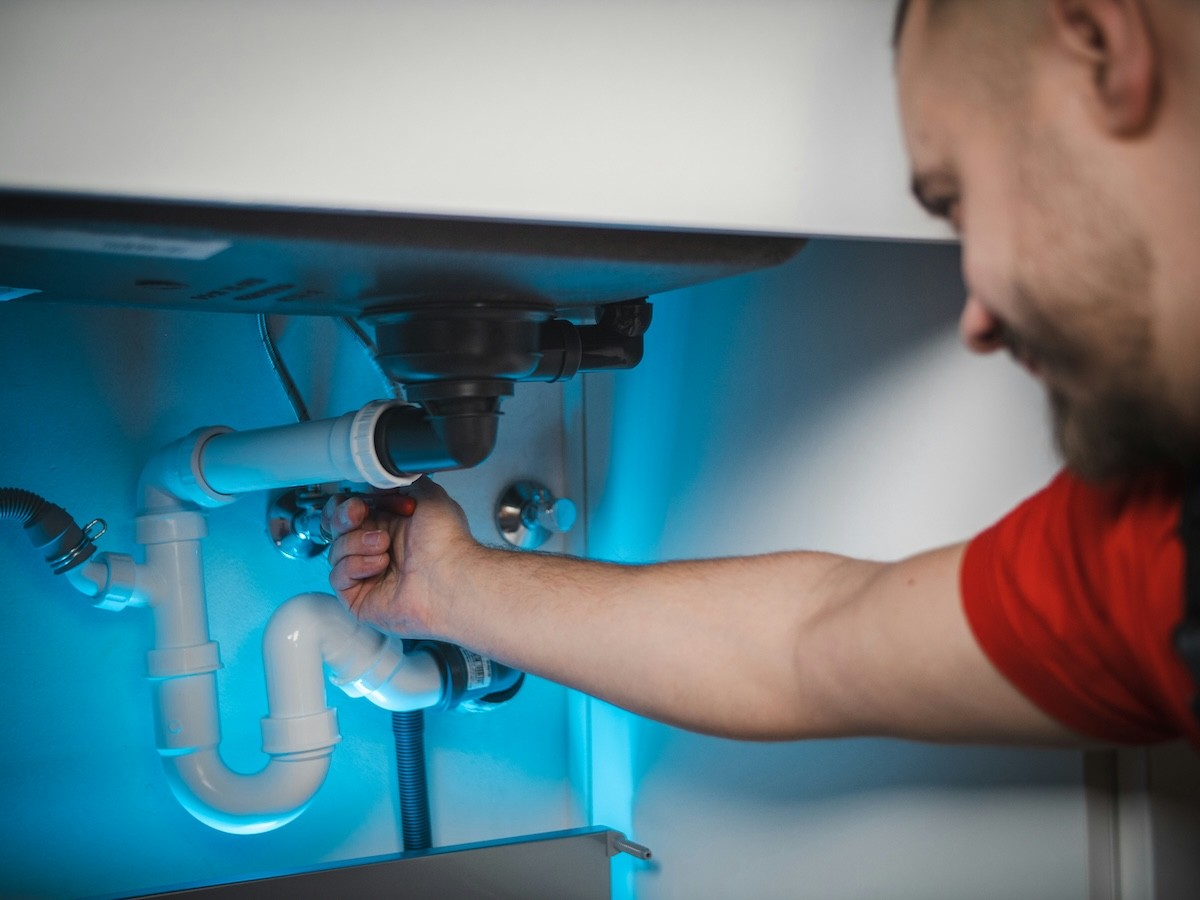
Maintenance requests are one of the most important parts of managing a rental property in Ontario. Whether it is a leaking pipe, a broken appliance, a heating issue, a pest concern, or a damaged lock, the way a landlord responds can affect tenant satisfaction, legal compliance, property value, and long-term rental performance.
In Ontario, maintenance is not just a customer service issue. It is a legal responsibility. Under the Residential Tenancies Act, landlords are responsible for keeping the rental property, including the rental unit and residential complex, in a good state of repair, fit for habitation, and compliant with health, safety, housing, and maintenance standards. This responsibility applies even if the tenant knew about the issue before renting the unit.
For Ottawa landlords and investors, having a clear maintenance process helps prevent small problems from becoming expensive emergencies. It also creates a better experience for tenants and gives owners confidence that their property is being looked after properly. Stewart PM provides full-service property management in Ottawa and the surrounding area, including professional maintenance coordination and clear reporting for property owners.
What Counts as a Maintenance Request?
A maintenance request is any notice from a tenant that something in the rental unit, building, or property needs repair, replacement, inspection, or attention.
Common examples include:
Plumbing leaks, clogged drains, or water pressure problems
Heating, cooling, electrical, or lighting issues
Broken appliances supplied by the landlord
Damaged doors, windows, locks, walls, ceilings, or flooring
Roof leaks, exterior defects, or drainage concerns
Pest issues, including mice, cockroaches, or other infestations
Problems in common areas such as laundry rooms, garages, walkways, parking areas, or stairwells
The Landlord and Tenant Board notes that landlords must keep the rental property in good repair and keep items supplied by the landlord in working order, including systems, appliances, windows, doors, locks, lighting, carpets, roofs, ceilings, and common areas.
It is also important to separate ordinary wear and tear from tenant-caused damage. Landlords are generally responsible for repairs caused by age, normal use, or breakdown. Tenants, however, are responsible for repairing or paying for damage that is not due to normal wear and tear, including damage caused by the tenant, their guests, or another person living in the unit.
Step 1: Make It Easy for Tenants to Report Issues
The first step is to make sure tenants know exactly how to submit a maintenance request. Ideally, requests should be submitted in writing through a tenant portal, email, or work order system. This creates a clear record of the issue, the date it was reported, the tenant’s description, and any photos or videos provided.
Tenants should be encouraged to include:
Their name and rental address
A clear description of the issue
When the issue started
Whether it is getting worse
Photos or videos, if available
Any access restrictions, pets, alarms, or special instructions
Written requests protect both the landlord and the tenant. The LTB recommends that tenants ask the landlord in writing to fix a maintenance problem and keep a copy of the request.
At Stewart PM, modern systems such as tenant portals, maintenance tracking, digital communication, and organized reporting help keep maintenance issues visible and easier to manage from start to finish.
Step 2: Acknowledge the Request Promptly
Once a request is received, acknowledge it as soon as possible. Even if the repair cannot be completed immediately, a quick response reassures the tenant that the issue has been received and is being reviewed.
A good acknowledgement should confirm:
The request has been received
Whether more information is needed
Whether the issue appears urgent or non-urgent
The next step, such as inspection, troubleshooting, or vendor scheduling
Any immediate safety instructions, if applicable
For example, if a tenant reports water leaking under a sink, the response may ask them to turn off the shutoff valve if it is safe to do so, remove personal items from the affected area, and send photos while the landlord arranges a plumber.
Good communication does not replace the obligation to repair, but it does reduce confusion and helps prevent disputes.
Step 3: Prioritize Emergencies First
Not every maintenance request has the same urgency. A cosmetic issue, such as a loose cabinet handle, should not be handled the same way as an active water leak or a no-heat situation in winter.
A practical priority system can look like this:
Emergency requests involve immediate risk to health, safety, property, or essential services. Examples include active flooding, electrical hazards, no heat during colder months, sewage backup, broken exterior locks, fire safety concerns, or a major appliance failure affecting habitability.
Urgent requests should be addressed quickly but may not require immediate emergency dispatch. Examples include a refrigerator not cooling properly, a slow leak, a non-functioning toilet in a unit with only one bathroom, or a pest issue that needs prompt inspection.
Routine requests are important but can usually be scheduled during normal business hours. Examples include minor appliance issues, dripping faucets, loose fixtures, damaged screens, or cosmetic repairs.
Ontario guidance recognizes hot and cold water, fuel, electricity, gas, and heat during certain months as “vital services,” and landlords cannot withhold the reasonable supply of a vital service if they provide it. The LTB brochure also notes that, if a landlord provides heat, it must be kept at a minimum of 20°C from September 1 to June 15, though some municipal standards may be higher.
Step 4: Inspect Before You Repair When Needed
Some requests can be sent directly to a qualified contractor. Others require an inspection first. For example, a tenant may report “mould,” but the underlying issue could be poor ventilation, a plumbing leak, a roof leak, condensation, or another source of moisture. A proper inspection helps identify the cause before money is spent on the wrong repair.
Inspections are also helpful when there is a dispute about whether the issue is normal wear and tear, tenant-caused damage, or a broader property maintenance concern.
When entering a rental unit, Ontario landlords must follow the rules for entry. In general, a landlord may enter without notice in an emergency or if the tenant consents at the time of entry. For repairs, replacements, or inspections, landlords typically need to provide at least 24 hours’ written notice, including the reason for entry, the date of entry, and a time of entry between 8:00 a.m. and 8:00 p.m.
One important point: even when a tenant has requested a repair, the landlord should not assume they can enter without proper notice unless the tenant gives consent at the time of entry.
Step 5: Use Qualified Vendors and Proper Workmanship
Maintenance should be completed by the right person for the job. Some minor issues may be handled by a property manager or handyman, but plumbing, electrical, HVAC, roofing, pest control, and structural issues often require specialized trades.
Ontario’s maintenance standards state that repairs and maintenance must be carried out using materials and methods accepted as good workmanship in the relevant trade.
Using qualified vendors helps protect the property, reduces repeat issues, and creates a record of professional repair. It also helps owners make better decisions about when to repair, when to replace, and when a recurring issue points to a larger capital improvement.
Step 6: Keep the Tenant Updated
A common mistake landlords make is going silent after the first response. Even when a repair is in progress, tenants may become frustrated if they do not know what is happening.
Good updates can include:
When the contractor has been contacted
When the inspection or repair is scheduled
Whether parts have been ordered
Whether a follow-up visit is required
What the tenant should do in the meantime
When the request has been closed
Clear updates are especially important when the repair cannot be completed immediately. For example, if a replacement appliance is delayed, the tenant should know what has been ordered, the expected delivery process, and whether any temporary solution is available.
Step 7: Document Everything
Documentation is one of the most important habits in property management. A well-documented maintenance file can help resolve misunderstandings and protect the landlord if a matter later goes to the Landlord and Tenant Board.
Keep records of:
The original tenant request
Photos or videos from the tenant
Inspection notes
Entry notices
Contractor quotes
Work orders
Invoices and receipts
Tenant updates
Before-and-after photos
Completion dates
Any follow-up communication
If a tenant believes a landlord has failed to repair or maintain the rental unit or residential complex, they may file a Tenant Application about Maintenance, known as Form T6, with the LTB. The LTB instructions state that tenants can use this application when the landlord has not repaired or maintained the unit or complex, or has not complied with health, safety, housing, or maintenance standards.
Strong records help show what was reported, how the landlord responded, what action was taken, and whether the response was reasonable.
Step 8: Know What Tenants Should and Should Not Do
Tenants have responsibilities too. They must keep the rental unit clean to a standard most people would consider ordinary or normal cleanliness. They must also repair or pay for damage that is not caused by normal wear and tear.
However, tenants should not simply stop paying rent because they are unhappy with maintenance. The LTB states that tenants should not withhold rent, even if they believe maintenance is poor or a necessary repair has not been completed. Instead, a tenant can report the issue to the municipality, file a Form T6 with the LTB, or in some cases request permission to pay rent to the Board while the application is being decided.
For landlords, this means it is important to stay professional and process-driven. If a tenant caused damage, document it, communicate clearly, and follow the proper LTB process if needed. Avoid informal shortcuts that could create bigger problems later.
Step 9: Close the Loop After the Repair
Once the work is complete, follow up with the tenant. Confirm that the repair was completed and ask whether the issue has been resolved. If the repair involved a recurring issue, schedule a future check-in or inspection.
Closing the loop helps ensure that:
The tenant is satisfied
The issue does not continue unnoticed
The work order can be properly closed
The owner has accurate records
Any warranty or contractor follow-up is tracked
For property owners, this final step matters. A completed invoice does not always mean the issue is fully resolved. Professional property management includes confirming the outcome, not just booking the contractor.
Why a Professional Maintenance Process Matters
A strong maintenance process protects more than the building. It protects the owner’s investment, reduces liability, improves tenant retention, and helps avoid unnecessary LTB disputes.
For landlords managing their own rentals, maintenance can quickly become one of the most stressful parts of ownership. Calls may come in after hours. Contractors may be unavailable. Tenants may expect faster updates. Owners may be unsure whether a repair is urgent, whether a tenant is responsible, or whether notice of entry is required.
That is where Stewart PM can help.
Stewart PM provides Ottawa landlords and investors with organized, professional property management, including maintenance coordination, tenant support, owner reporting, and systems designed to keep day-to-day management clear and efficient. The goal is simple: protect the property, support the tenant experience, and give owners peace of mind.
Final Thoughts
Handling tenant maintenance requests in Ontario requires more than reacting when something breaks. Landlords need a clear process for receiving requests, prioritizing urgency, giving proper notice, coordinating qualified repairs, documenting the work, and communicating with tenants.
When maintenance is handled properly, tenants feel heard, properties stay in better condition, and owners reduce the risk of costly disputes.
For Ottawa rental property owners who want a more organized approach, Stewart PM offers professional maintenance coordination and full-service property management designed to make ownership simpler, safer, and more efficient.
Need help managing tenant maintenance requests? Contact Stewart PM to learn how professional property management can protect your Ottawa rental property.
Maintenance requests are one of the most important parts of managing a rental property in Ontario. Whether it is a leaking pipe, a broken appliance, a heating issue, a pest concern, or a damaged lock, the way a landlord responds can affect tenant satisfaction, legal compliance, property value, and long-term rental performance.
In Ontario, maintenance is not just a customer service issue. It is a legal responsibility. Under the Residential Tenancies Act, landlords are responsible for keeping the rental property, including the rental unit and residential complex, in a good state of repair, fit for habitation, and compliant with health, safety, housing, and maintenance standards. This responsibility applies even if the tenant knew about the issue before renting the unit.
For Ottawa landlords and investors, having a clear maintenance process helps prevent small problems from becoming expensive emergencies. It also creates a better experience for tenants and gives owners confidence that their property is being looked after properly. Stewart PM provides full-service property management in Ottawa and the surrounding area, including professional maintenance coordination and clear reporting for property owners.
What Counts as a Maintenance Request?
A maintenance request is any notice from a tenant that something in the rental unit, building, or property needs repair, replacement, inspection, or attention.
Common examples include:
Plumbing leaks, clogged drains, or water pressure problems
Heating, cooling, electrical, or lighting issues
Broken appliances supplied by the landlord
Damaged doors, windows, locks, walls, ceilings, or flooring
Roof leaks, exterior defects, or drainage concerns
Pest issues, including mice, cockroaches, or other infestations
Problems in common areas such as laundry rooms, garages, walkways, parking areas, or stairwells
The Landlord and Tenant Board notes that landlords must keep the rental property in good repair and keep items supplied by the landlord in working order, including systems, appliances, windows, doors, locks, lighting, carpets, roofs, ceilings, and common areas.
It is also important to separate ordinary wear and tear from tenant-caused damage. Landlords are generally responsible for repairs caused by age, normal use, or breakdown. Tenants, however, are responsible for repairing or paying for damage that is not due to normal wear and tear, including damage caused by the tenant, their guests, or another person living in the unit.
Step 1: Make It Easy for Tenants to Report Issues
The first step is to make sure tenants know exactly how to submit a maintenance request. Ideally, requests should be submitted in writing through a tenant portal, email, or work order system. This creates a clear record of the issue, the date it was reported, the tenant’s description, and any photos or videos provided.
Tenants should be encouraged to include:
Their name and rental address
A clear description of the issue
When the issue started
Whether it is getting worse
Photos or videos, if available
Any access restrictions, pets, alarms, or special instructions
Written requests protect both the landlord and the tenant. The LTB recommends that tenants ask the landlord in writing to fix a maintenance problem and keep a copy of the request.
At Stewart PM, modern systems such as tenant portals, maintenance tracking, digital communication, and organized reporting help keep maintenance issues visible and easier to manage from start to finish.
Step 2: Acknowledge the Request Promptly
Once a request is received, acknowledge it as soon as possible. Even if the repair cannot be completed immediately, a quick response reassures the tenant that the issue has been received and is being reviewed.
A good acknowledgement should confirm:
The request has been received
Whether more information is needed
Whether the issue appears urgent or non-urgent
The next step, such as inspection, troubleshooting, or vendor scheduling
Any immediate safety instructions, if applicable
For example, if a tenant reports water leaking under a sink, the response may ask them to turn off the shutoff valve if it is safe to do so, remove personal items from the affected area, and send photos while the landlord arranges a plumber.
Good communication does not replace the obligation to repair, but it does reduce confusion and helps prevent disputes.
Step 3: Prioritize Emergencies First
Not every maintenance request has the same urgency. A cosmetic issue, such as a loose cabinet handle, should not be handled the same way as an active water leak or a no-heat situation in winter.
A practical priority system can look like this:
Emergency requests involve immediate risk to health, safety, property, or essential services. Examples include active flooding, electrical hazards, no heat during colder months, sewage backup, broken exterior locks, fire safety concerns, or a major appliance failure affecting habitability.
Urgent requests should be addressed quickly but may not require immediate emergency dispatch. Examples include a refrigerator not cooling properly, a slow leak, a non-functioning toilet in a unit with only one bathroom, or a pest issue that needs prompt inspection.
Routine requests are important but can usually be scheduled during normal business hours. Examples include minor appliance issues, dripping faucets, loose fixtures, damaged screens, or cosmetic repairs.
Ontario guidance recognizes hot and cold water, fuel, electricity, gas, and heat during certain months as “vital services,” and landlords cannot withhold the reasonable supply of a vital service if they provide it. The LTB brochure also notes that, if a landlord provides heat, it must be kept at a minimum of 20°C from September 1 to June 15, though some municipal standards may be higher.
Step 4: Inspect Before You Repair When Needed
Some requests can be sent directly to a qualified contractor. Others require an inspection first. For example, a tenant may report “mould,” but the underlying issue could be poor ventilation, a plumbing leak, a roof leak, condensation, or another source of moisture. A proper inspection helps identify the cause before money is spent on the wrong repair.
Inspections are also helpful when there is a dispute about whether the issue is normal wear and tear, tenant-caused damage, or a broader property maintenance concern.
When entering a rental unit, Ontario landlords must follow the rules for entry. In general, a landlord may enter without notice in an emergency or if the tenant consents at the time of entry. For repairs, replacements, or inspections, landlords typically need to provide at least 24 hours’ written notice, including the reason for entry, the date of entry, and a time of entry between 8:00 a.m. and 8:00 p.m.
One important point: even when a tenant has requested a repair, the landlord should not assume they can enter without proper notice unless the tenant gives consent at the time of entry.
Step 5: Use Qualified Vendors and Proper Workmanship
Maintenance should be completed by the right person for the job. Some minor issues may be handled by a property manager or handyman, but plumbing, electrical, HVAC, roofing, pest control, and structural issues often require specialized trades.
Ontario’s maintenance standards state that repairs and maintenance must be carried out using materials and methods accepted as good workmanship in the relevant trade.
Using qualified vendors helps protect the property, reduces repeat issues, and creates a record of professional repair. It also helps owners make better decisions about when to repair, when to replace, and when a recurring issue points to a larger capital improvement.
Step 6: Keep the Tenant Updated
A common mistake landlords make is going silent after the first response. Even when a repair is in progress, tenants may become frustrated if they do not know what is happening.
Good updates can include:
When the contractor has been contacted
When the inspection or repair is scheduled
Whether parts have been ordered
Whether a follow-up visit is required
What the tenant should do in the meantime
When the request has been closed
Clear updates are especially important when the repair cannot be completed immediately. For example, if a replacement appliance is delayed, the tenant should know what has been ordered, the expected delivery process, and whether any temporary solution is available.
Step 7: Document Everything
Documentation is one of the most important habits in property management. A well-documented maintenance file can help resolve misunderstandings and protect the landlord if a matter later goes to the Landlord and Tenant Board.
Keep records of:
The original tenant request
Photos or videos from the tenant
Inspection notes
Entry notices
Contractor quotes
Work orders
Invoices and receipts
Tenant updates
Before-and-after photos
Completion dates
Any follow-up communication
If a tenant believes a landlord has failed to repair or maintain the rental unit or residential complex, they may file a Tenant Application about Maintenance, known as Form T6, with the LTB. The LTB instructions state that tenants can use this application when the landlord has not repaired or maintained the unit or complex, or has not complied with health, safety, housing, or maintenance standards.
Strong records help show what was reported, how the landlord responded, what action was taken, and whether the response was reasonable.
Step 8: Know What Tenants Should and Should Not Do
Tenants have responsibilities too. They must keep the rental unit clean to a standard most people would consider ordinary or normal cleanliness. They must also repair or pay for damage that is not caused by normal wear and tear.
However, tenants should not simply stop paying rent because they are unhappy with maintenance. The LTB states that tenants should not withhold rent, even if they believe maintenance is poor or a necessary repair has not been completed. Instead, a tenant can report the issue to the municipality, file a Form T6 with the LTB, or in some cases request permission to pay rent to the Board while the application is being decided.
For landlords, this means it is important to stay professional and process-driven. If a tenant caused damage, document it, communicate clearly, and follow the proper LTB process if needed. Avoid informal shortcuts that could create bigger problems later.
Step 9: Close the Loop After the Repair
Once the work is complete, follow up with the tenant. Confirm that the repair was completed and ask whether the issue has been resolved. If the repair involved a recurring issue, schedule a future check-in or inspection.
Closing the loop helps ensure that:
The tenant is satisfied
The issue does not continue unnoticed
The work order can be properly closed
The owner has accurate records
Any warranty or contractor follow-up is tracked
For property owners, this final step matters. A completed invoice does not always mean the issue is fully resolved. Professional property management includes confirming the outcome, not just booking the contractor.
Why a Professional Maintenance Process Matters
A strong maintenance process protects more than the building. It protects the owner’s investment, reduces liability, improves tenant retention, and helps avoid unnecessary LTB disputes.
For landlords managing their own rentals, maintenance can quickly become one of the most stressful parts of ownership. Calls may come in after hours. Contractors may be unavailable. Tenants may expect faster updates. Owners may be unsure whether a repair is urgent, whether a tenant is responsible, or whether notice of entry is required.
That is where Stewart PM can help.
Stewart PM provides Ottawa landlords and investors with organized, professional property management, including maintenance coordination, tenant support, owner reporting, and systems designed to keep day-to-day management clear and efficient. The goal is simple: protect the property, support the tenant experience, and give owners peace of mind.
Final Thoughts
Handling tenant maintenance requests in Ontario requires more than reacting when something breaks. Landlords need a clear process for receiving requests, prioritizing urgency, giving proper notice, coordinating qualified repairs, documenting the work, and communicating with tenants.
When maintenance is handled properly, tenants feel heard, properties stay in better condition, and owners reduce the risk of costly disputes.
For Ottawa rental property owners who want a more organized approach, Stewart PM offers professional maintenance coordination and full-service property management designed to make ownership simpler, safer, and more efficient.
Need help managing tenant maintenance requests? Contact Stewart PM to learn how professional property management can protect your Ottawa rental property.

Don Stewart
Owner
Share
Bespoke Property Management Services
We combine local expertise with advanced systems to deliver smooth operations, trustworthy tenant relationships, and consistent returns

Bespoke Property Management Services
We combine local expertise with advanced systems to deliver smooth operations, trustworthy tenant relationships, and consistent returns
Bespoke Property Management Services
We combine local expertise with advanced systems to deliver smooth operations, trustworthy tenant relationships, and consistent returns
Stay Informed on Property Management
Explore articles on Ottawa property management, rental market updates, and expert tips for landlords and investors to help you protect and grow your investment.

Ontario Rent Increase Rules for 2026: What Ottawa Landlords Can and Can’t Do

Best Neighbourhoods in Ottawa for Rental Property Investors in 2026

Canada’s Rent Decline Is Accelerating: What Ottawa Property Owners Should Know in 2026
How to Handle Tenant Maintenance Requests in Ontario

7 Signs It Is Time to Switch Property Management Companies