Blog
Owners
Ottawa Rental Property Winter Maintenance Checklist for Landlords
Prepare your Ottawa rental for winter with a landlord checklist covering heating, updated CO alarm rules, plumbing, snow removal and emergency planning.

A useful winter maintenance checklist does more than list the furnace, gutters and snow shovel. It answers three questions: what needs attention, who will handle it, and how will you know it is done?
For an Ottawa rental owner, those details matter most when something goes wrong after hours. A contractor needs access. A tenant needs an answer. Someone needs authority to approve the repair.
Use the following checklist to prepare your property and your management arrangements before winter. It complements our broader guide to rental property maintenance by focusing on the practical handoffs that can otherwise be missed.
Start with a scheduled inspection, not a surprise visit
Create one inspection record for the property, with a date, outstanding issues and a person responsible for each follow-up. Separate urgent safety concerns from routine servicing and longer-term improvements.
For an occupied unit, arrange lawful access. Routine inspections and repairs generally require at least 24 hours’ written notice, stating the reason, date and a sufficiently specific time or reasonable window between 8 a.m. and 8 p.m. Emergency entry and consent at the time of entry are separate exceptions; a seasonal checklist is not itself an emergency. [1]
Ask tenants in advance whether they have noticed uneven heating, leaks, draughts or difficult exterior doors. Treat their responses as inspection leads rather than asking them to diagnose or repair equipment.
Check heating before you need an emergency appointment
Arrange appropriate servicing for the property’s heating equipment and record the contractor’s recommendations. Check the thermostat, filters, supply and return openings, and any previously reported cold rooms. Ask the technician to assess concerns rather than attempting gas or electrical work yourself.
The Landlord and Tenant Board states that, where a landlord provides heat, it must be maintained at a minimum of 20°C from September 1 to June 15; municipal standards may impose additional requirements. Confirm the rules applicable to the property rather than assuming a lease clause overrides them. [2]
Keep the equipment model, service provider’s number and relevant warranty information in the property file. Decide who can authorize an urgent visit when the usual owner contact is unavailable. A heating plan that depends on one person answering their phone is worth revisiting.
Update the carbon monoxide alarm check for 2026
Do not carry forward an old checklist that only mentions carbon monoxide alarms near bedrooms. Ontario’s requirements expanded on January 1, 2026 to include every storey in affected homes, as well as locations adjacent to sleeping areas. [3]
The requirements depend on the property: relevant triggers include a fuel-burning appliance, fireplace, attached garage or heated air supplied by an external fuel-burning appliance. Apartment and condominium arrangements need their own location-specific review. Confirm the required layout with the applicable fire-safety authority. [4]
Record alarm locations, test results and replacement dates. Follow manufacturers’ instructions and do not assume that a smoke alarm also detects carbon monoxide. Keep fuel-burning appliance vents clear of snow and ice. A sounding CO alarm calls for leaving the home and calling 911, not waiting for a routine maintenance response. [4]
Review plumbing and drainage as a property-specific job
Walk through the property with a list of past water issues. Pay particular attention to areas that have previously needed repairs, rather than treating every building as identical.
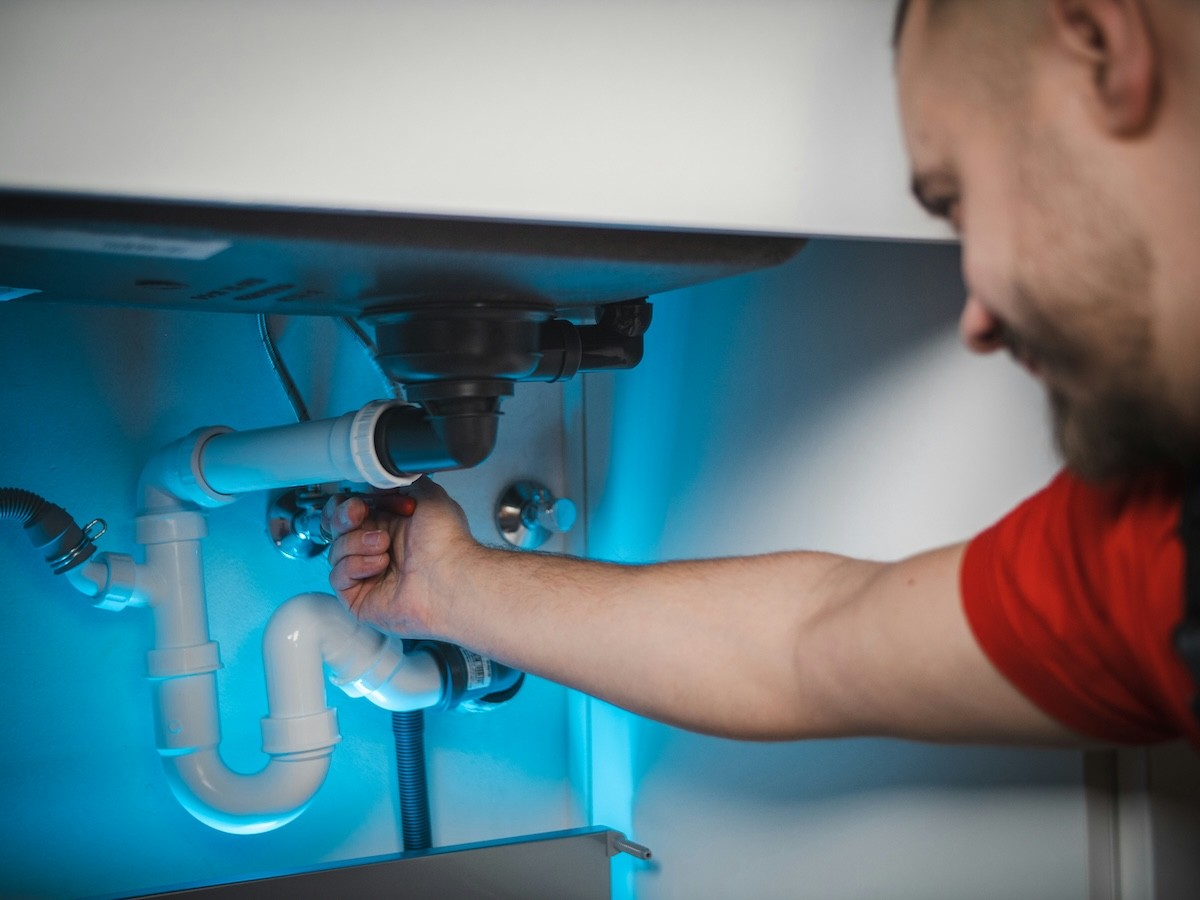
Ask a qualified plumber which outdoor connections require seasonal shutoff or draining, whether any exposed pipework needs attention, and whether existing sump or protective plumbing equipment needs servicing. Record the location of the main water shutoff and who can safely access it.
Outside, include gutters, downspouts, window wells and basement entrances in the inspection. Ask an appropriate contractor to address obstructions, damaged components or drainage concerns. Do not send tenants onto roofs or ask them to improvise a repair to frozen plumbing.
For each issue, write down an action and a completion check. “Plumber booked for outdoor connection” is more useful than “plumbing checked.”
Put snow and ice arrangements in writing
Identify the surfaces that need attention: entrances, steps, shared paths, parking areas and any routes required for safe access. Decide who checks conditions, who carries out the work, and who provides backup when the first arrangement falls through.
Do not assume that adding snow removal to a lease transfers every maintenance obligation to the tenant. The landlord’s statutory repair and safety obligations remain relevant, and the property layout and lawful agreement need to be considered. Obtain advice before relying on a tenant-work arrangement. [2]
For a contractor, agree on the service scope, communication process and how missed visits will be handled. Include snow-storage locations and access arrangements in the discussion. Keep a simple record of reports, attendance and follow-up work.
Give tenants a winter contact sheet
A one-page contact sheet should make reporting straightforward. Include the routine maintenance channel, the urgent contact method, the property address and any practical instructions specific to the home.
Explain which information is helpful: the affected room, when the issue began, whether it is getting worse, and a photo where safe and appropriate. Make clear that tenants should not delay an emergency call while trying to gather documentation.
For owners who will be away, establish a local contact with authority to act. Stewart’s Home-Away property management service includes maintenance and inspections for owners managing their Ottawa home from elsewhere. Discuss the actual scope required for your property, including any periods when it will be unoccupied.
Ask your insurer about requirements that apply to your particular policy during absences or vacancies. Do not assume that a generic inspection schedule is sufficient.
Finish with a four-part sign-off
Before closing the seasonal review, confirm these four items:
Systems and safety: servicing completed, alarm requirements reviewed, and urgent defects assigned for correction.
Water and exterior: property-specific plumbing preparation completed and drainage concerns followed up.
Access and response: snow arrangements, contractor access and emergency approval responsibilities documented.
Records and communication: tenant contact information, inspection notes and unresolved work kept together.
Keep the checklist open until outstanding work is actually completed. A booked appointment, a paid invoice and a verified repair are three different stages.
Make winter preparation part of ongoing management
The objective is not to predict every problem. It is to remove avoidable uncertainty about who is looking after the property and what happens next.
Stewart provides Ottawa property management services that include maintenance coordination and owner reporting. To discuss winter preparation as part of a broader management plan, contact the Stewart team.
This article provides general information for rental owners, not property-specific legal, engineering or fire-code advice. Requirements depend on the building and tenancy; obtain qualified advice where needed.
Sources and further reading
1. Landlord and Tenant Board — Guideline 19: Right of Entry
2. Landlord and Tenant Board — Maintenance and Repairs
3. City of Ottawa — The law is changing for carbon monoxide alarms
4. City of Richmond Hill Fire and Emergency Services — Ontario carbon monoxide requirements
Photo by Matthieu Joannon on Unsplash.
A useful winter maintenance checklist does more than list the furnace, gutters and snow shovel. It answers three questions: what needs attention, who will handle it, and how will you know it is done?
For an Ottawa rental owner, those details matter most when something goes wrong after hours. A contractor needs access. A tenant needs an answer. Someone needs authority to approve the repair.
Use the following checklist to prepare your property and your management arrangements before winter. It complements our broader guide to rental property maintenance by focusing on the practical handoffs that can otherwise be missed.
Start with a scheduled inspection, not a surprise visit
Create one inspection record for the property, with a date, outstanding issues and a person responsible for each follow-up. Separate urgent safety concerns from routine servicing and longer-term improvements.
For an occupied unit, arrange lawful access. Routine inspections and repairs generally require at least 24 hours’ written notice, stating the reason, date and a sufficiently specific time or reasonable window between 8 a.m. and 8 p.m. Emergency entry and consent at the time of entry are separate exceptions; a seasonal checklist is not itself an emergency. [1]
Ask tenants in advance whether they have noticed uneven heating, leaks, draughts or difficult exterior doors. Treat their responses as inspection leads rather than asking them to diagnose or repair equipment.
Check heating before you need an emergency appointment
Arrange appropriate servicing for the property’s heating equipment and record the contractor’s recommendations. Check the thermostat, filters, supply and return openings, and any previously reported cold rooms. Ask the technician to assess concerns rather than attempting gas or electrical work yourself.
The Landlord and Tenant Board states that, where a landlord provides heat, it must be maintained at a minimum of 20°C from September 1 to June 15; municipal standards may impose additional requirements. Confirm the rules applicable to the property rather than assuming a lease clause overrides them. [2]
Keep the equipment model, service provider’s number and relevant warranty information in the property file. Decide who can authorize an urgent visit when the usual owner contact is unavailable. A heating plan that depends on one person answering their phone is worth revisiting.
Update the carbon monoxide alarm check for 2026
Do not carry forward an old checklist that only mentions carbon monoxide alarms near bedrooms. Ontario’s requirements expanded on January 1, 2026 to include every storey in affected homes, as well as locations adjacent to sleeping areas. [3]
The requirements depend on the property: relevant triggers include a fuel-burning appliance, fireplace, attached garage or heated air supplied by an external fuel-burning appliance. Apartment and condominium arrangements need their own location-specific review. Confirm the required layout with the applicable fire-safety authority. [4]
Record alarm locations, test results and replacement dates. Follow manufacturers’ instructions and do not assume that a smoke alarm also detects carbon monoxide. Keep fuel-burning appliance vents clear of snow and ice. A sounding CO alarm calls for leaving the home and calling 911, not waiting for a routine maintenance response. [4]
Review plumbing and drainage as a property-specific job
Walk through the property with a list of past water issues. Pay particular attention to areas that have previously needed repairs, rather than treating every building as identical.
Ask a qualified plumber which outdoor connections require seasonal shutoff or draining, whether any exposed pipework needs attention, and whether existing sump or protective plumbing equipment needs servicing. Record the location of the main water shutoff and who can safely access it.
Outside, include gutters, downspouts, window wells and basement entrances in the inspection. Ask an appropriate contractor to address obstructions, damaged components or drainage concerns. Do not send tenants onto roofs or ask them to improvise a repair to frozen plumbing.
For each issue, write down an action and a completion check. “Plumber booked for outdoor connection” is more useful than “plumbing checked.”
Put snow and ice arrangements in writing
Identify the surfaces that need attention: entrances, steps, shared paths, parking areas and any routes required for safe access. Decide who checks conditions, who carries out the work, and who provides backup when the first arrangement falls through.
Do not assume that adding snow removal to a lease transfers every maintenance obligation to the tenant. The landlord’s statutory repair and safety obligations remain relevant, and the property layout and lawful agreement need to be considered. Obtain advice before relying on a tenant-work arrangement. [2]
For a contractor, agree on the service scope, communication process and how missed visits will be handled. Include snow-storage locations and access arrangements in the discussion. Keep a simple record of reports, attendance and follow-up work.
Give tenants a winter contact sheet
A one-page contact sheet should make reporting straightforward. Include the routine maintenance channel, the urgent contact method, the property address and any practical instructions specific to the home.
Explain which information is helpful: the affected room, when the issue began, whether it is getting worse, and a photo where safe and appropriate. Make clear that tenants should not delay an emergency call while trying to gather documentation.
For owners who will be away, establish a local contact with authority to act. Stewart’s Home-Away property management service includes maintenance and inspections for owners managing their Ottawa home from elsewhere. Discuss the actual scope required for your property, including any periods when it will be unoccupied.
Ask your insurer about requirements that apply to your particular policy during absences or vacancies. Do not assume that a generic inspection schedule is sufficient.
Finish with a four-part sign-off
Before closing the seasonal review, confirm these four items:
Systems and safety: servicing completed, alarm requirements reviewed, and urgent defects assigned for correction.
Water and exterior: property-specific plumbing preparation completed and drainage concerns followed up.
Access and response: snow arrangements, contractor access and emergency approval responsibilities documented.
Records and communication: tenant contact information, inspection notes and unresolved work kept together.
Keep the checklist open until outstanding work is actually completed. A booked appointment, a paid invoice and a verified repair are three different stages.
Make winter preparation part of ongoing management
The objective is not to predict every problem. It is to remove avoidable uncertainty about who is looking after the property and what happens next.
Stewart provides Ottawa property management services that include maintenance coordination and owner reporting. To discuss winter preparation as part of a broader management plan, contact the Stewart team.
This article provides general information for rental owners, not property-specific legal, engineering or fire-code advice. Requirements depend on the building and tenancy; obtain qualified advice where needed.
Sources and further reading
1. Landlord and Tenant Board — Guideline 19: Right of Entry
2. Landlord and Tenant Board — Maintenance and Repairs
3. City of Ottawa — The law is changing for carbon monoxide alarms
4. City of Richmond Hill Fire and Emergency Services — Ontario carbon monoxide requirements
Photo by Matthieu Joannon on Unsplash.

Don Stewart
Owner
Share
Bespoke Property Management Services
We combine local expertise with advanced systems to deliver smooth operations, trustworthy tenant relationships, and consistent returns

Bespoke Property Management Services
We combine local expertise with advanced systems to deliver smooth operations, trustworthy tenant relationships, and consistent returns
Bespoke Property Management Services
We combine local expertise with advanced systems to deliver smooth operations, trustworthy tenant relationships, and consistent returns
Stay Informed on Property Management
Explore articles on Ottawa property management, rental market updates, and expert tips for landlords and investors to help you protect and grow your investment.

Ontario Rent Increase Rules for 2026: What Ottawa Landlords Can and Can’t Do

Best Neighbourhoods in Ottawa for Rental Property Investors in 2026

Canada’s Rent Decline Is Accelerating: What Ottawa Property Owners Should Know in 2026
How to Handle Tenant Maintenance Requests in Ontario

7 Signs It Is Time to Switch Property Management Companies